Bicycle Advocacy in Boise
At the Boise Bicycle Project, we believe everyone deserves safe, accessible, and connected places to ride. Through bicycle advocacy, we work to improve bicycling conditions, promote rider safety, and help create a transportation system that works for everyone.
We bring people together to advocate for safer infrastructure, support policies and funding that prioritize active transportation, educate our community, and ensure that transportation improvements are accessible and equitable.
Whether you're new to advocacy or have years of experience, we want you to get involved!
Our monthly Advocacy Committee meetings are the best way to get involved, connect with others, and help shape the future of bicycling in Boise. Drop-ins are completely encouraged. Sign up to receive advocacy updates from Joleen Evans, BBP's Advocacy & Engagement Lead, and stay informed about meetings, campaigns, and opportunities to take action.
What Can Bicycle Advocacy Do?
Improve Infrastructure
Advocacy helps create safer streets by supporting protected bike lanes, connected pathways, accessible bike parking, safer intersections, and street designs that prioritize people walking, biking, and rolling.
Influence Policy & Legislation
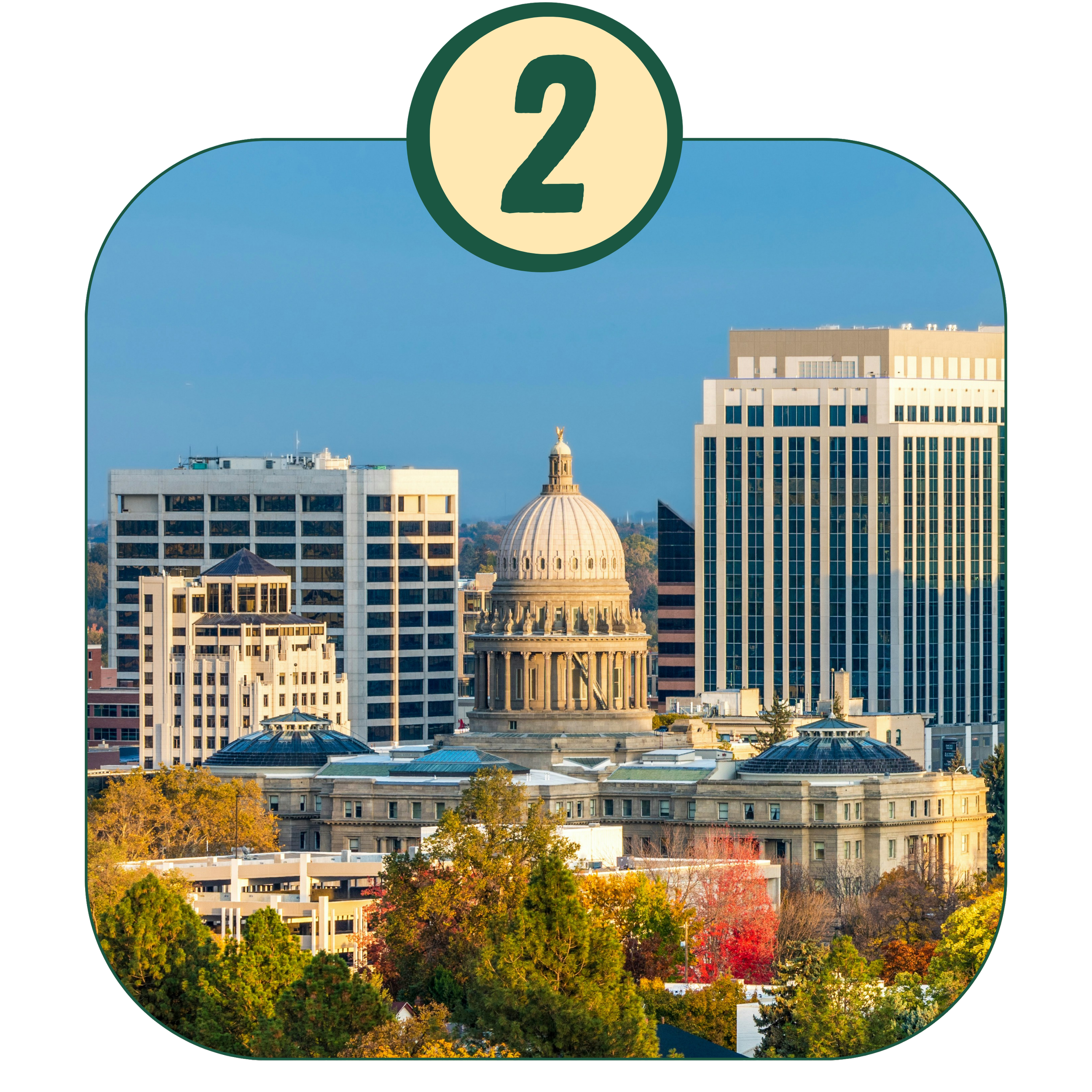
Advocacy gives community members a voice in local and state decision-making. By engaging with elected officials and public agencies, we can help shape policies, funding priorities, and transportation projects that make our roads safer and more accessible for everyone, not just people driving cars.
Educate & Raise Awareness
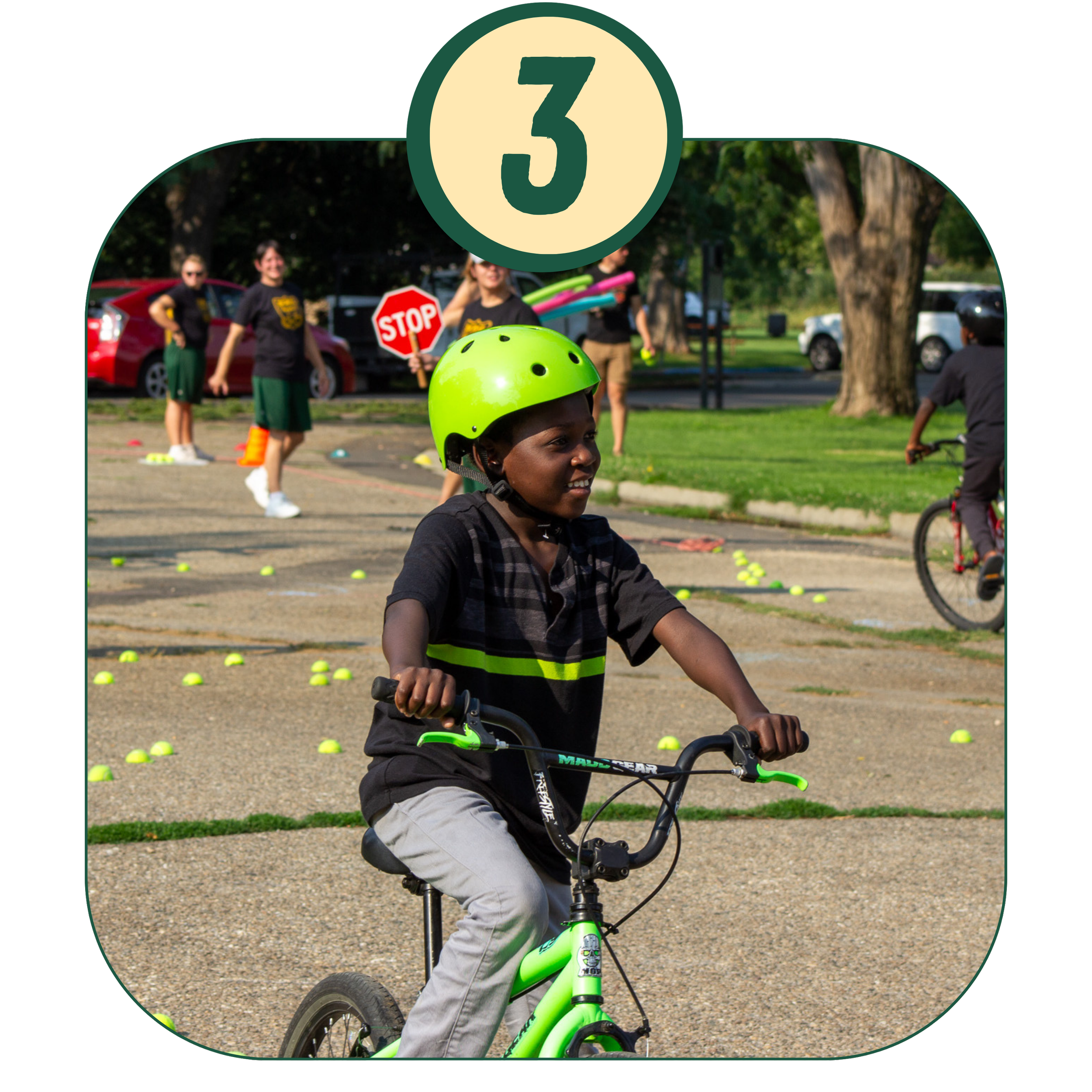
Advocacy helps build a stronger cycling culture through education, community events, and public outreach. From teaching safe riding skills (like at BBP's Traffic Garden) to encouraging respectful road sharing, education creates safer streets for everyone.
Expand Equitable Transportation
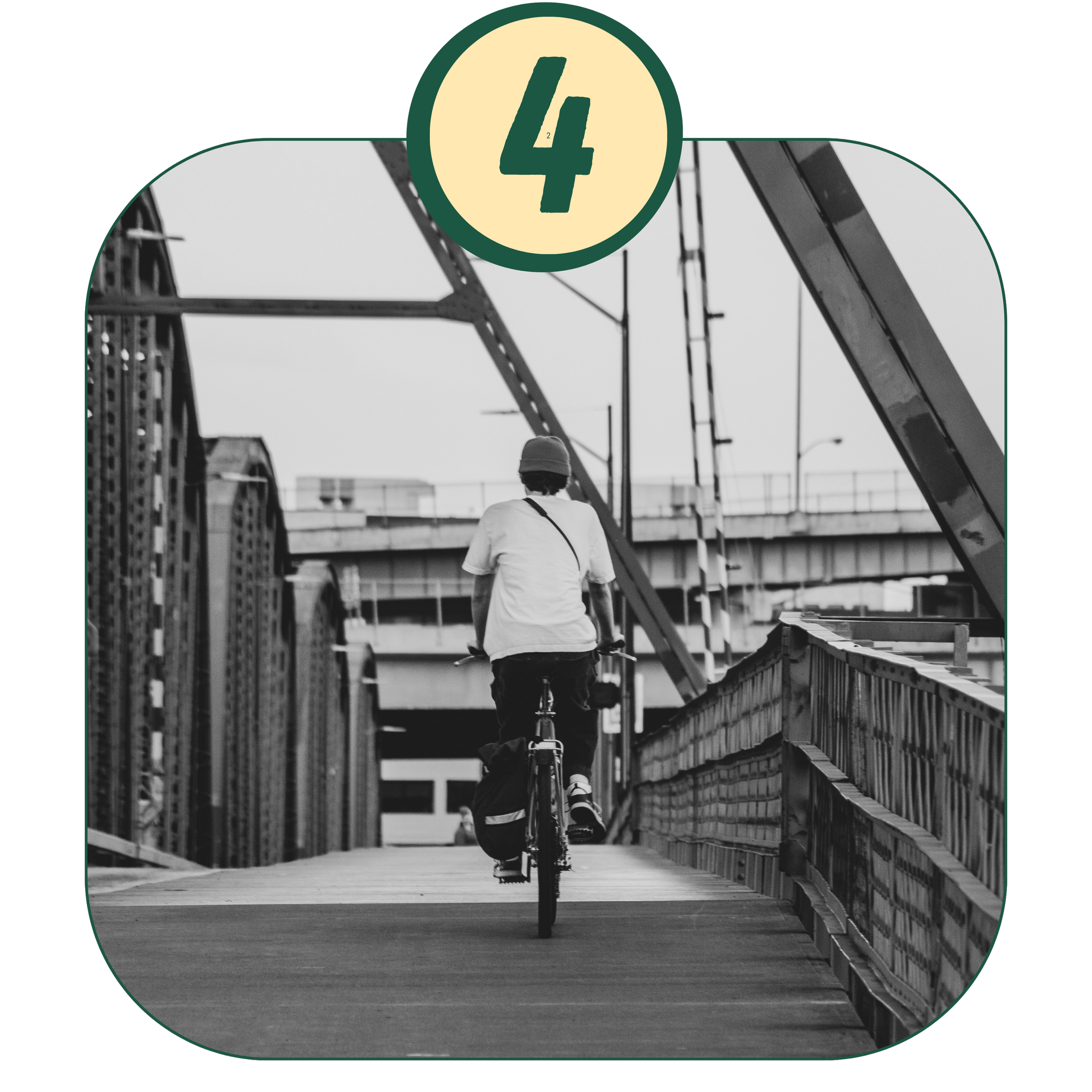
Everyone should have access to safe, affordable transportation. Advocacy helps prioritize investments in historically underserved neighborhoods, improve connections between communities, and ensure transportation planning reflects the needs of all residents.
Leading Organizations & Resources
The League Of American Bicyclists
The League of American Bicyclists is a national nonprofit dedicated to creating a bicycle-friendly America. Through advocacy, education, and research, the League works to improve transportation policy, promote safer streets, and strengthen communities through bicycling.
Their Bicycle Friendly America® program recognizes communities, universities, and businesses that support bicycling through thoughtful planning and infrastructure. They also administer the nationally recognized Smart Cycling program, which sets standards for bicycle safety education and rider training.
People For Bikes
PeopleForBikes is a national grassroots nonprofit working to make riding a bike safer, easier, and more accessible for everyone.
The organization partners with local communities to improve bike networks, advance pro-bike legislation, and secure funding for safer infrastructure projects. Their Bike Network Analysis evaluates how well communities are connected by comfortable bike routes, helping cities identify opportunities to improve transportation access.
PeopleForBikes also advocates at the local, state, and federal levels to support investments in bicycling and strengthen the cycling industry.
ACHD Bike Map
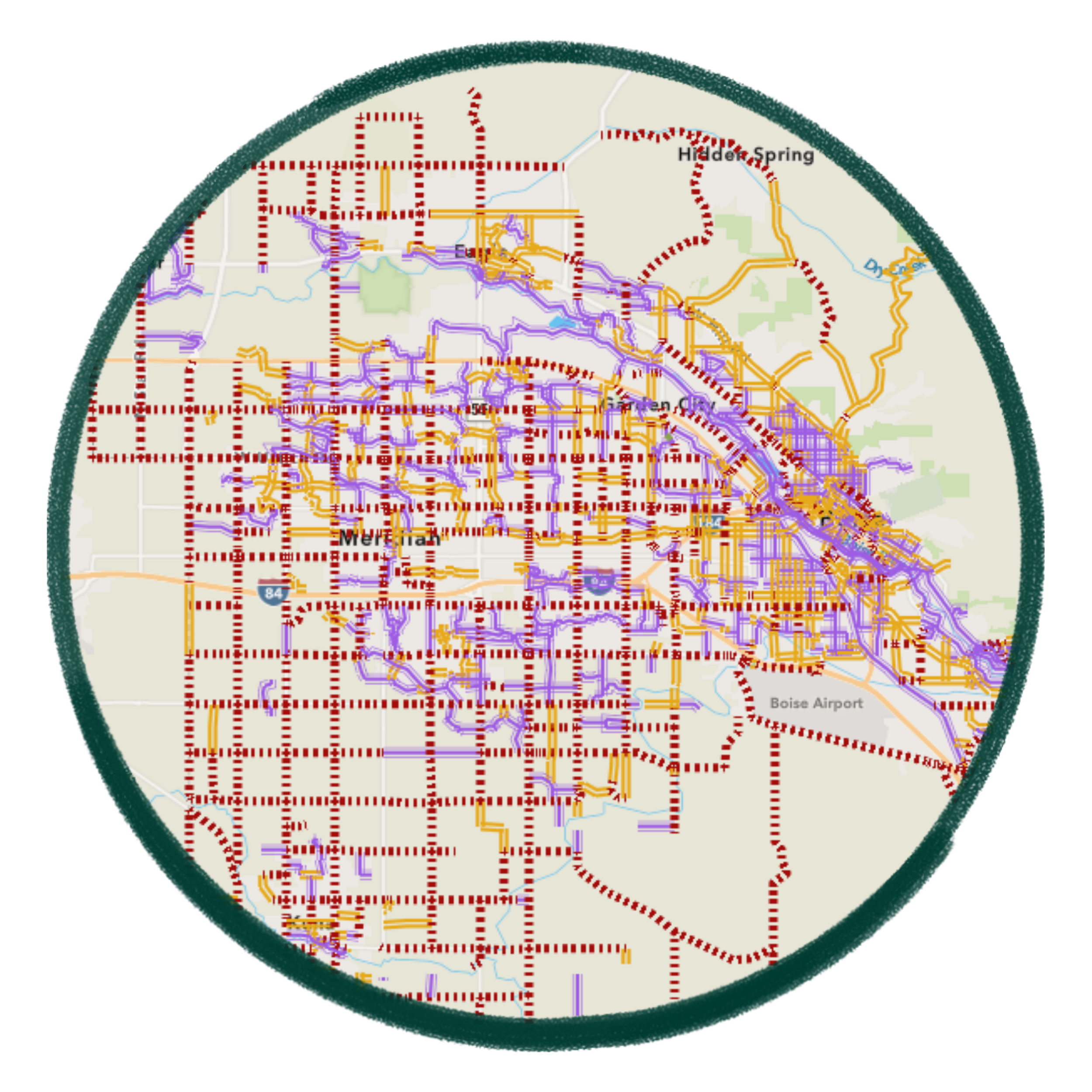
The Ada County Highway District's interactive bike map highlights bike routes throughout Ada County, including connections to parks, schools, civic destinations, and bicycle repair stations. It's a helpful tool for planning safer, more connected rides throughout the Treasure Valley.
Upcoming Advocacy Meetings & Events
Tactical Urbanism
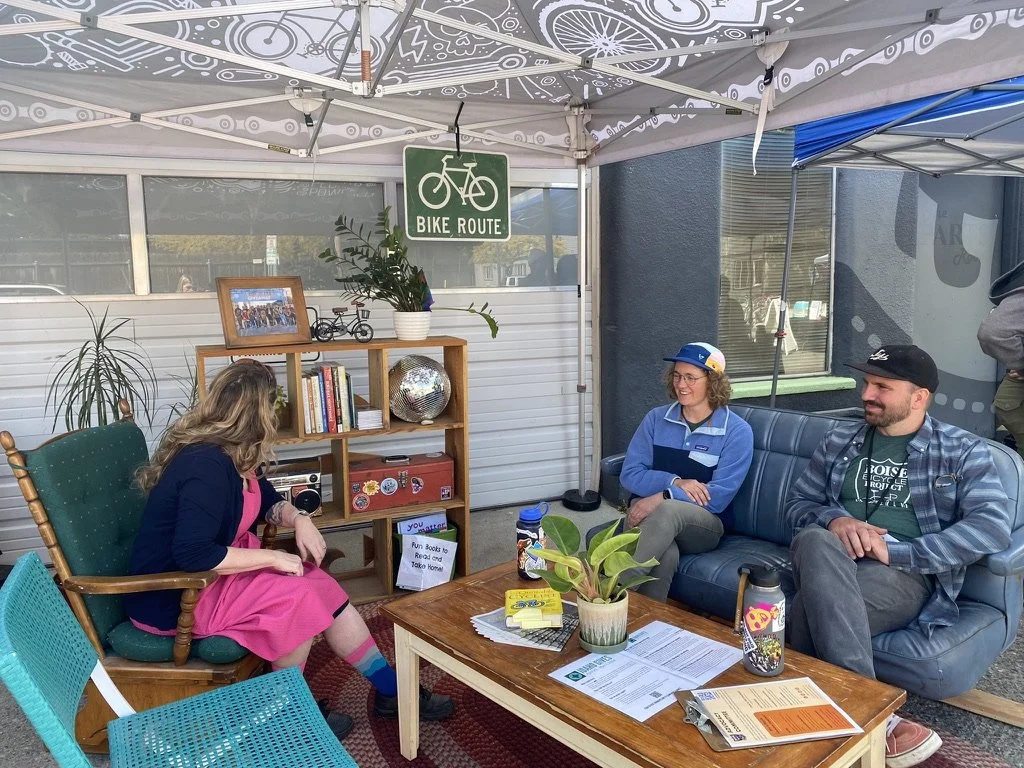
Tactical urbanism is an approach to improving streets and public spaces through flexible, short-term projects that help advance long-term goals. These projects are often low-cost, relatively quick to install, and designed to be changed or removed as communities learn what works.
Instead of waiting years for a permanent infrastructure project, tactical urbanism gives communities an opportunity to try a bike/pedestrian safety improvement idea in the real world. A temporary bike lane, parklet, traffic-calming feature, or public plaza can show how a street might function differently, while giving residents, planners, and decision-makers a chance to observe, gather feedback, and make adjustments.
Tactical urbanism can be led by cities, community organizations, nonprofits, businesses, or residents, and projects can range from a one-day demonstration to a longer-term pilot. The goal is to use temporary changes as a way to test ideas, build community involvement, and inform future decisions.
Common Types of Tactical Urbanism
-
Pop-up parklets temporarily transform one or more parking spaces into public space. They can include seating, plants, art, bike parking, or other amenities that give people a place to sit, gather, and spend time. Parklets can help demonstrate how curb space might be used differently while creating more places for people in the meantime.
-
Quick-build projects use temporary or adaptable materials such as paint, flexible posts, planters, or modular barriers to demonstrate potential changes to a street. These projects can test ideas like protected bike lanes, pedestrian crossings, traffic calming, or changes to an intersection before a permanent project is built.
-
Temporary street closures create space for people to walk, bike, play, gather, and experience a street without regular vehicle traffic. These events can help communities imagine different possibilities for their streets and public spaces. See more information about Open Streets Boise here!
-
Underused areas such as parking lots, portions of streets, or other public spaces can be temporarily transformed into places for gathering, seating, art, recreation, or community events. These projects allow communities to experiment with how a space could serve people differently.
-
Temporary bike lanes, pedestrian improvements, curb extensions, crossing treatments, and other street designs can demonstrate how relatively small changes could make a street safer or more comfortable for people walking and biking.
Helpful Resources
There are a number of organizations and public agencies that have developed practical resources for communities interested in tactical urbanism!
-
Tactical Urbanist’s guide provides information about materials, design approaches, and examples from tactical urbanism projects around the country. Linked here.
-
The National Association of City Transportation Officials (NACTO) provides guidance on parklets, temporary street closures, interim public plazas, and other interim street-design strategies. Website here.
-
This NACTO resource explores quick-build projects as a way for cities to test and implement street improvements using adaptable materials and processes. Linked here.
-
This AARP resource provides an overview of pop-up projects and examples of ways communities can use temporary interventions to demonstrate potential improvements. Linked here.
Advocacy faqs
-
Public testimony is an opportunity for individuals to express their opinions, concerns, or support for specific issues during public hearings or meetings. In the context of bicycle advocacy, public testimony provides a platform to voice the needs and preferences of the bicycling community.
-
Influence Decision-Making: Public testimony can influence policymakers and decision-makers by providing them with real-life perspectives and insights.
Community Representation: It ensures that the diverse voices within the cycling community are heard and considered.
Policy Impact: Effective public testimony can lead to the development and implementation of policies that benefit cyclists.
-
1.Idea: A bill is sponsored by a legislator or group of legislators. The idea for the bill may come from constituents, government agencies, or special interest groups.
2.Drafting the Bill: The Legislative Services Research and Legislative Division drafts the idea into a bill, and assign it a routing slip (“RS” number).
3. Introduction of the Bill: The bill is introduced in either the House of Representatives or the Senate. It is assigned a bill number and referred to a committee.
4. Committee Hearing Process: The bill is reviewed by a committee that specializes in the subject matter of the bill. The committee may hold hearings, gather testimony, and make amendments to the bill. One of the following recommendations may be made when the bill is reported out of committee:
Do pass
Do not pass
With recommendations
Placed on General Orders for Amendment
Withdrawn
Referred to another committee through the Clerk’s office
In many cases, bills ‘die in committee’ at the discretion of the committee chair.
5. Second Reading: The bill returns to the full chamber for the second reading. During this stage, members have the opportunity to debate the bill. Amendments can be proposed and voted on during the debate. The bill is automatically placed on the Third Reading Calendar for the following day unless further action is taken.
6. Third Reading: The bill proceeds to the third reading, which is often the final stage of consideration in the chamber. The debate on the bill is limited, and no further amendments are allowed. Members cast their final vote on whether to pass the bill. If a ball passes it is passed along to the other house where it repeats the same process again.
Governor's Approval: If the bill passes both houses it is sent to the Governor for approval. The Governor can do one of the following three things:
Sign it into law (needs to be signed within 5 days after receipt or within 10 days of the end of the session).
Allow it to become law without a signature, this is done by not signing within the recommended 5 days.
Veto the bill before the end of the recommended 5 days after receipt and is sent to the house of origin.
A vetoed bill returns to the floor and can still become law if it is overridden with the support of ⅔ of the House members and ⅔ of the Senate members.